
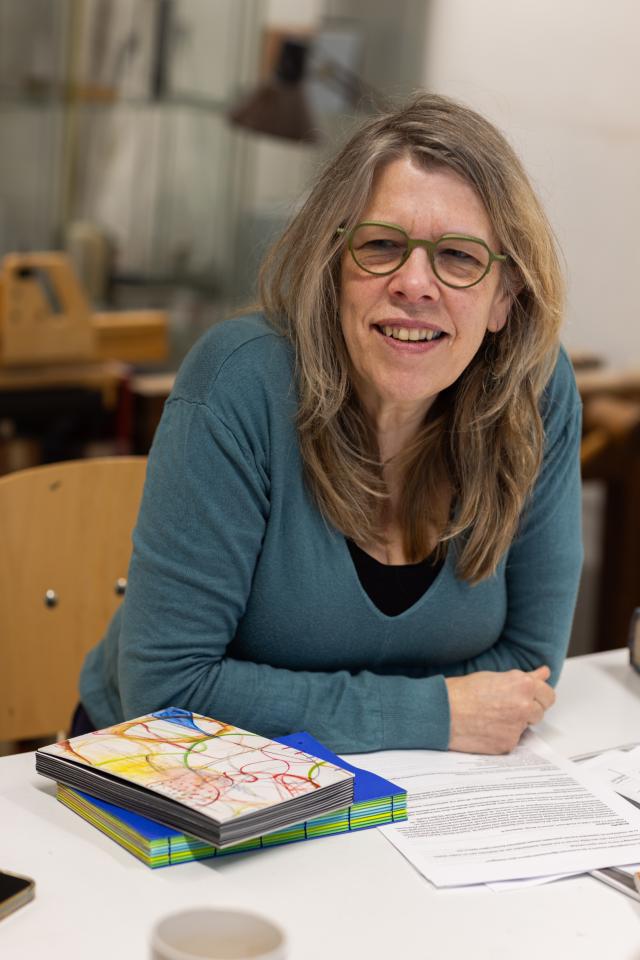
Bio
Name: Katja Clement
Function: instructor book art at the Academy of Berchem and independent book artist
Studies: Liberal Graphic Arts (Academy for Visual Arts Saint Joost, Breda); Book art (Municipal Academy for visual arts Berchem & Institute Roger Avermaete).
Favourite book art: map-like book bindings with deep leather incisions from Monique Mathieu (FR), minimalistic hinge bindings in painted calf leather from Julie Auzillon (FR), book objects from Suzanne Schmollgruber (CH).
Favourite technique: working with leather and fillets, Florent Rousseau-collages and sanding techniques.
Hello Katja, you curate the expo in the Nottebohm room. What does that mean to you?
“It’s a true journey through history. I researched how the programme was created and who the founder, Berthe van Regemorter, was. How the programme functions today, is part of the exhibition as well. Currently, we can see a clear revival of the craft: people want to work with their hands and make something with attention and passion again. The uniqueness of it also plays a part. Students aren’t creating mass produced items, but rather something unique. That’s what I hope to show to the public.”
How did you get into contact with book art?
“During my studies in Breda, I got a guest lecture in book binding. I was immediately intrigued by the materials and the technique. I started learning more on my own by reading books, but that turned out to be a true challenge. In my search for a training programme, I came across the Academy of Berchem and that turned out to be a real hit. Especially because I came from the world of arts: how it combines craftmanship with art, that’s right up my street.”
How would you describe book art to someone who has never heard of it?
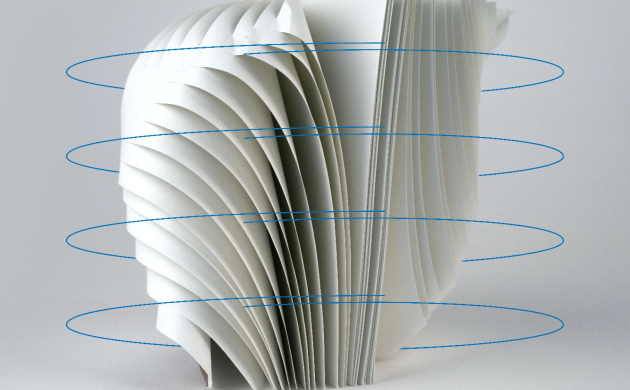
“Book art is an artistic discipline in which artworks are created that use or refer to the structure and form of books. Tradition and innovation often go hand in hand, and the results are always authentic, hand-made pieces of art: book objects in which the concept of the book is explored in its possible appearances.”
It’s a seven-year programme. What do the students learn?
“Several disciplines are combined: graphic design, printing techniques, spatial design. The programme connects craftsmanship to creativity. We pay a lot of attention to techniques, but we give just as much attention to the creation of a thoughtful design. Content is also important: the designs are always created in a certain context. I’m proud that this isn’t an outdated craft. It also lives within the younger generation.”
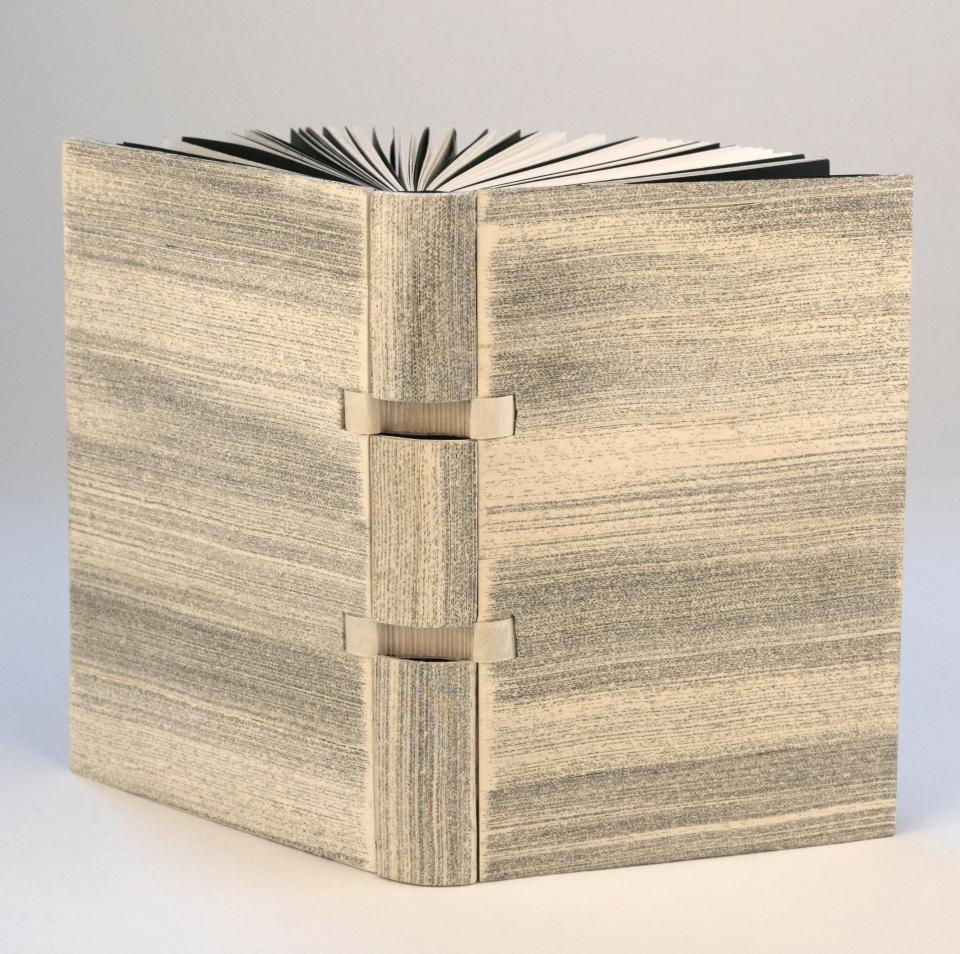
Favourite way of binding
Jean de Gonet binding
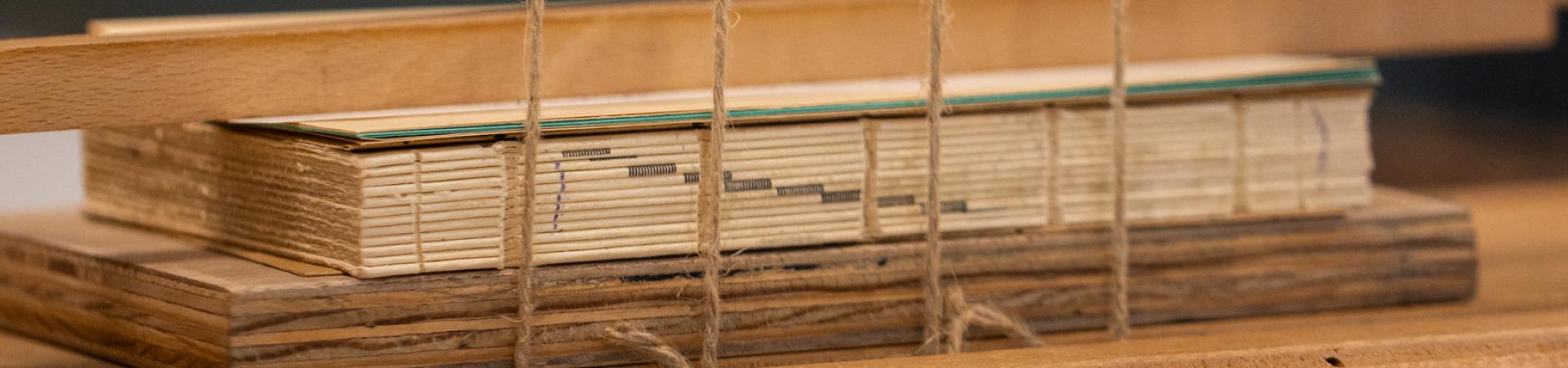
“What makes it so special is that the spine along with the front and backside are separated from each other, which opens up new possibilities to play with materials. Because the spine is made in parts and is sewed onto straps, the seams remain visible. The front and back covers are threaded so you can see the construction of the binding on the outside.”
Who are the students?
“The students are between 18 and 90 years old, very diverse, with slightly more women than men. The audience is also younger than before. Students of all grades attend the same class together, this way they can learn from each other as well. Of course, seven years is quite the commitment. No prior knowledge is required, although artistic skill can help. Patience is the only and most important characteristic required.”
What are you like as an instructor?
“I figure out students’ strengths and how to put those talents to use. However, I also challenge them to come out of their comfort zone and try new things. They learn technique and design at the same time. Designing is usually a process that develops slowly: thinking about your approach is unequivocally part of that process. So does letting go. If it turns out that another binding manner fits the concept better, you must dare to throw it away and start over.”
How do you experience the tension between artisanal perfection and artistic freedom?
“Technical knowledge is the baseline. Only when that’s mastered, you can really let your idea shine. That requires commitment and discipline. At the same time, materials can react differently than you expect. You have to leave room for process and development. Take your time for the design, be critical, and don’t just hold on to your first idea.”
What comes first: the concept or the materials?
“Usually the idea. Materials and technique essentially shouldn’t form any problems. On the other hand, you sometimes wish to work with a certain binding technique or specific materials. There’s often a dynamic interplay in which you explore which technique and which material best bring out the idea.”
“Book art has existed for centuries and is still alive today. That’s what I want to show.”
Book art in digital times. Is that a contradiction?
“A lot of people are searching for ways to slow down. They want to get out of their own heads and work with their hands. At the same time, we use a lot of digital techniques like Photoshop, Illustrator and tutorials on Youtube. I can even inspire myself today by watching someone make something in Australia on Instagram. That wasn’t possible in the past. That’s an enormous advantage of the digital age.”
What has changed in the programme over the course of 100 years?
“In the past, the focus strongly relied on classic bindings and materials, like the French binding in leather. Today, we see a rapid expansion of new binding manners. What has always remained is the attention to detail: carrying out the task correctly and understanding why you do what you do. And if something goes wrong, you have to be able to analyse why. In this line of work, every millimetre counts.”
“They are often very proud of what they made. I suspect that a lot of creations receive a nice place in their home. I encourage my students to participate in expositions and competitions, like the Bookbind Challenge of Scripta Manent in Estonia. The submitted artworks are then showcased in Tallinn, Amsterdam and Sint-Niklaas for example. It has happed that we, as a class, travelled to France to admire a winning book. I partake in competitions myself as well and take masterclasses and workshops to sharpen my skills and gain more knowledge. I then share that knowledge with my students.”
What drives you today?
“Sharing my passion with my students. To see them grow and to learn from them. Working with materials remains special: the feeling, the odour. It never bores me.”
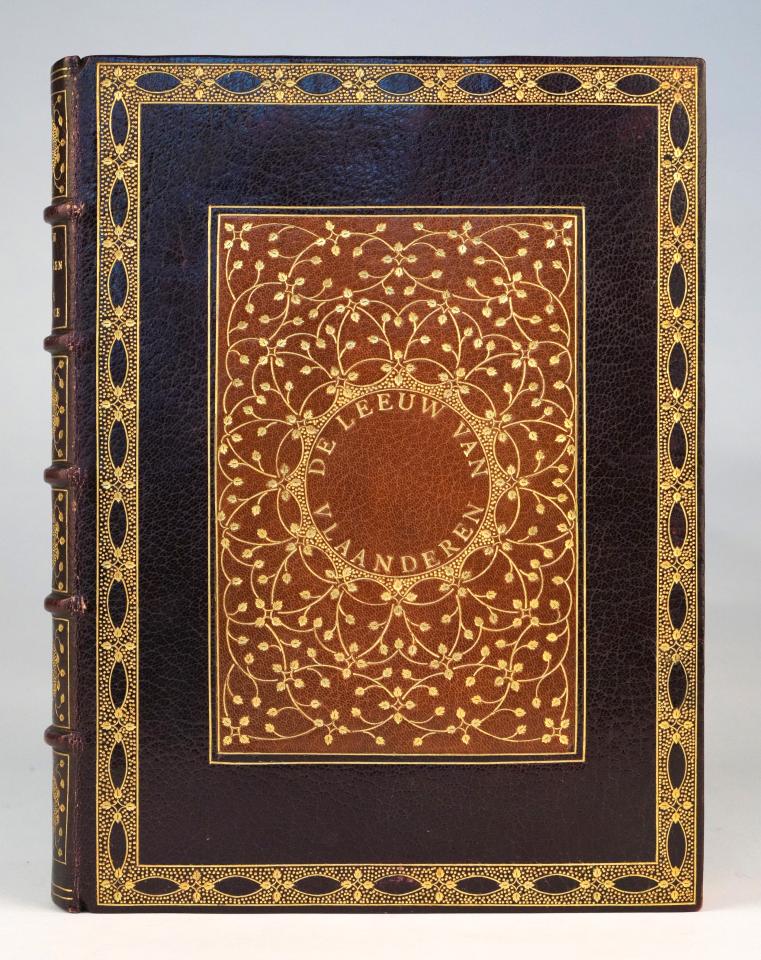 Photo: Marianne de Zwarte
Book binding by Berthe van Regemorter
In the spotlight
female pioneer Berthe van Regemorter
“She is the one who brought the bookbinding studio to Antwerp 100 years ago. I think that she knew exactly what she wanted. She acquired funds, did research and had a clear vision that she passed on to her successors at the academy. Those were always women. I am the fifth in a row. This is quite peculiar, especially in a line of work that was historically dominated by men.”
Expo Bound by imagination
What can visitors expect?
“An overview of one hundred years of book art, with the focus on the enormous diversity of it. Visitors will discover what kind of materials and tools we use and how they are manipulated as well. There will even be samples and examples of binding manners that you can touch.”
Where will the expo take place?
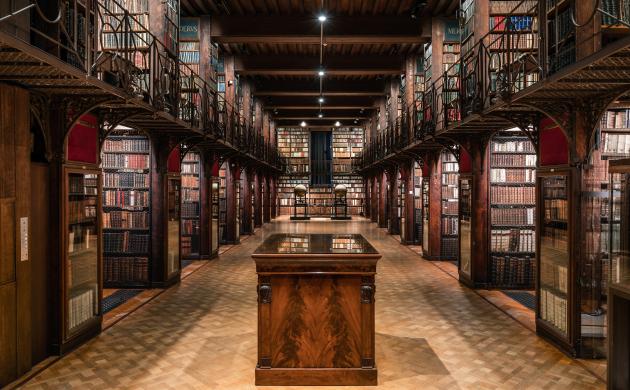
“Visitors can walk past four locations. In the Heritage Library Hendrik Conscience and the AD Gallery, we show hundreds of book bindings of former students and teachers. In the House of Literature and the University Library, the students will introduce their projects on Berthe van Regemorter. On top of that, there will be a special publication on book art that people can enjoy at home.”
Some of the work of the students:
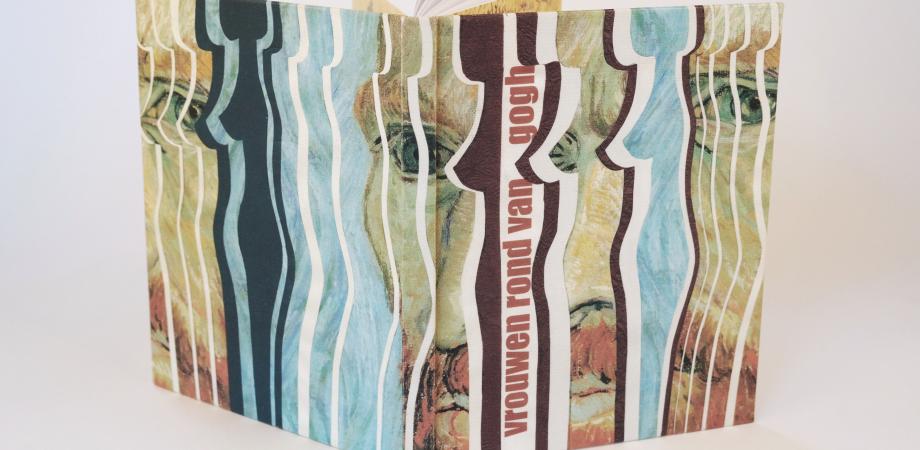
Book binding by Ferre Bastanie
- Photo: Marianne de Zwarte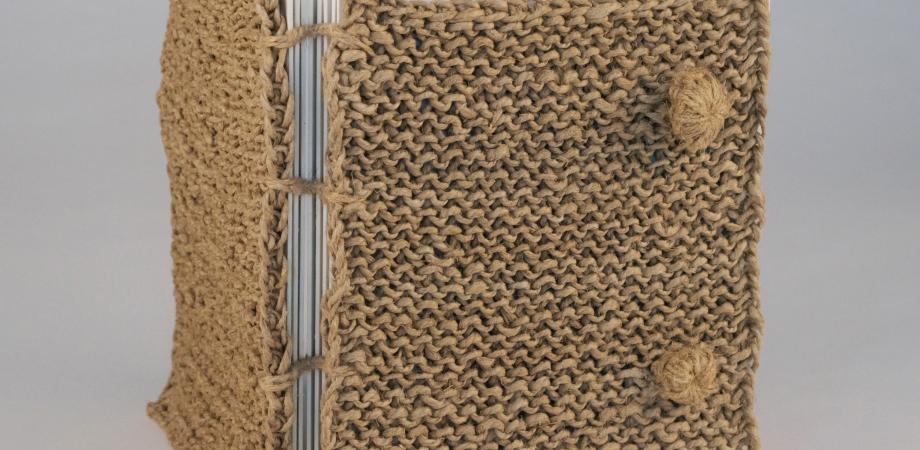
Book binding by Frans Wijnties
- Photo: Marianne de Zwarte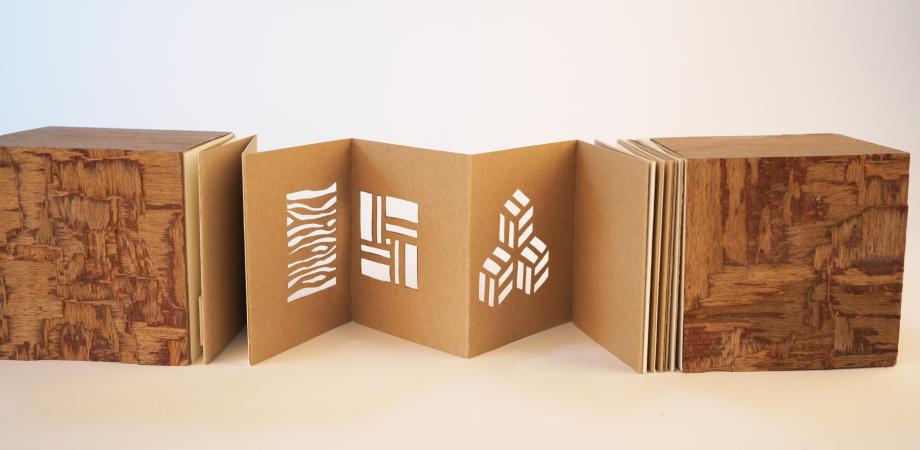
Book object by Jeanne Meijer
- Photo: Marianne de Zwarte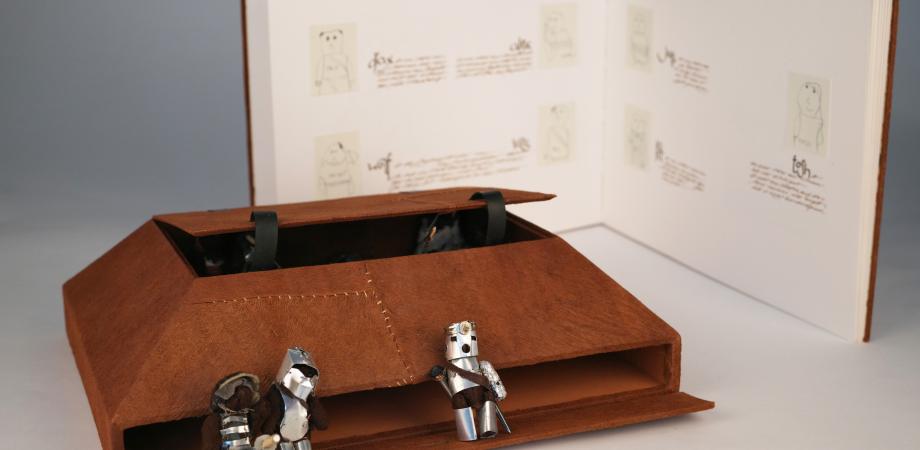
Book object by Linde Desmet
- Photo: Marianne de Zwarte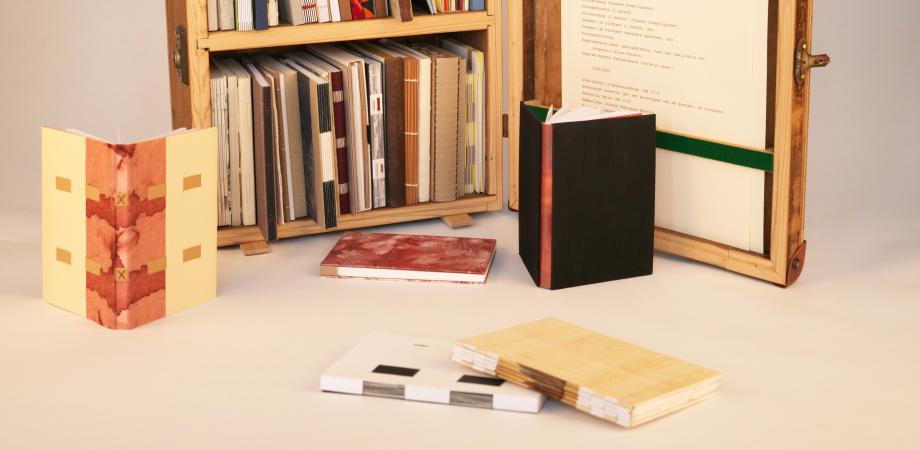
Book object by Peter Hautekiet
- Photo: Marianne de Zwarte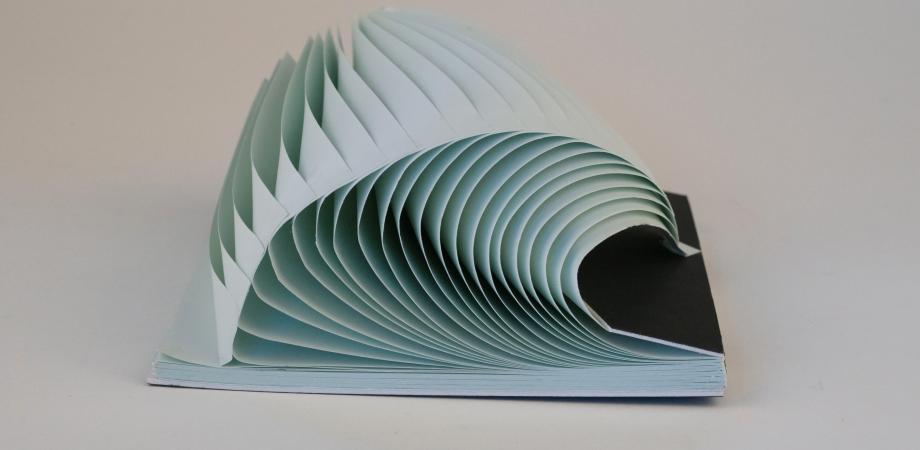
Book binding by Tim Nijs
- Photo: Marianne de Zwarte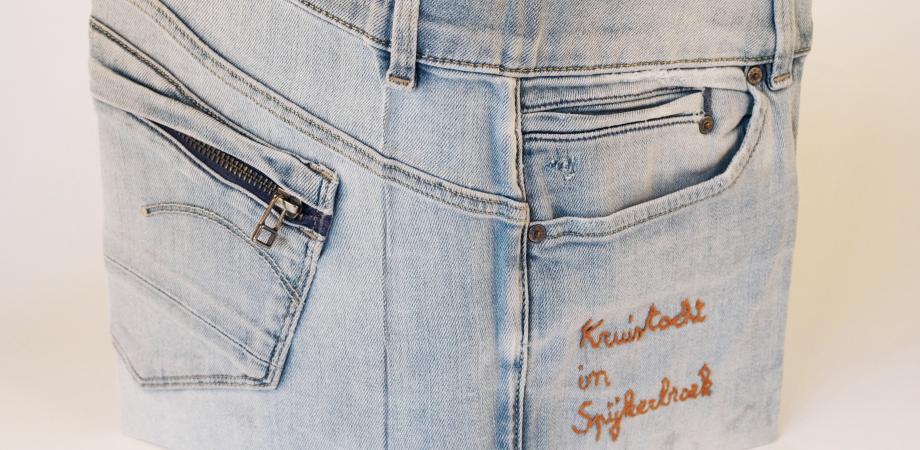
Book binding by Sid van Cauwenberghe
- Photo: Marianne de ZwarteSummer opening
The doors of the Nottebohm room will once again open to the public this summer from June 19 until August 30, 2026. A ticket automatically grants access to our magical library space and the expo Bound by Imagination. An audio tour takes you through the history of the library and tells the stories behind a couple of the authentic artworks we show in the expo.
Practical information
- Thursday to Sunday from 12pm until 5 pm – last entry at 4.30 pm
- Entry at Hendrik Conscienceplein 4, 2000 Antwerp
- Standard ticket € 8