
The Nottebohm fellowship is established with the support of the Nottebohm Family Foundation and the Book and Literature Endowment Fund. This initiative opens up Antwerp’s unique collections to scientists from abroad.
2025-2026
 ©Maria O'Leary
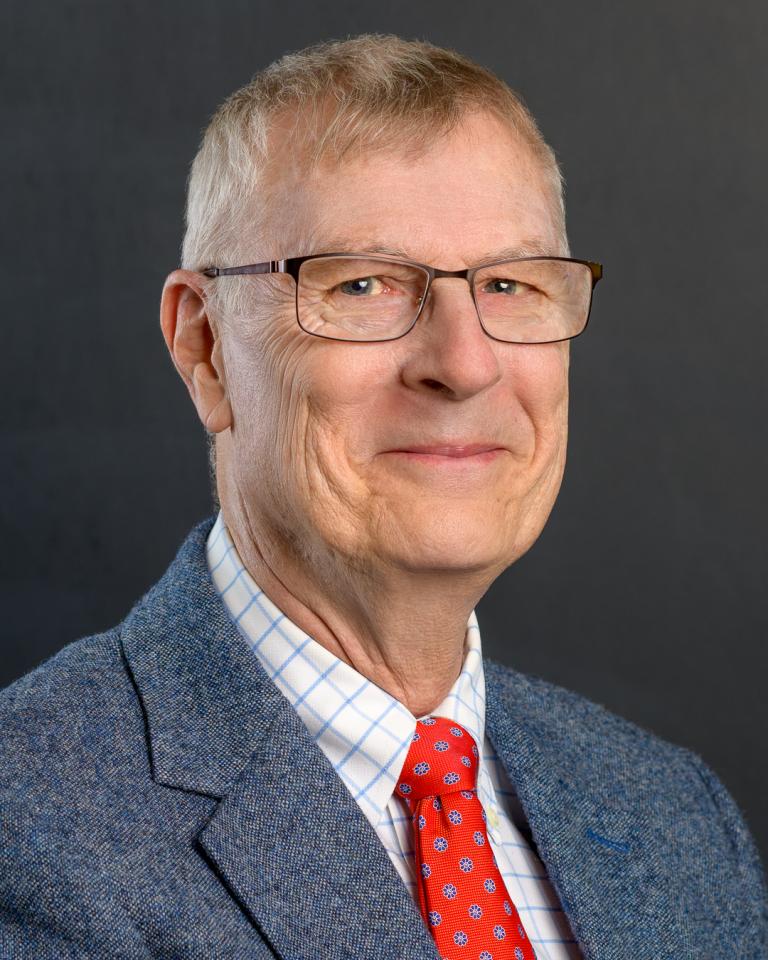
Michael Noone is a musicologist and conductor. He discovered a connection between Antwerp and a successful music printing company in Salamanca. The Antwerp book printer Artus Tavernier married Susana Muñoz and started a printing company under the Spanish version of his name: Artus Taberniel. After his death in 1609, his widow Susana kept the printing company running. She published large-format choral works that were used in Spanish convents and cathedrals, which nowadays have become extremely rare.
Michael wants to find out what kind of relationships the printing company maintained with Antwerp.
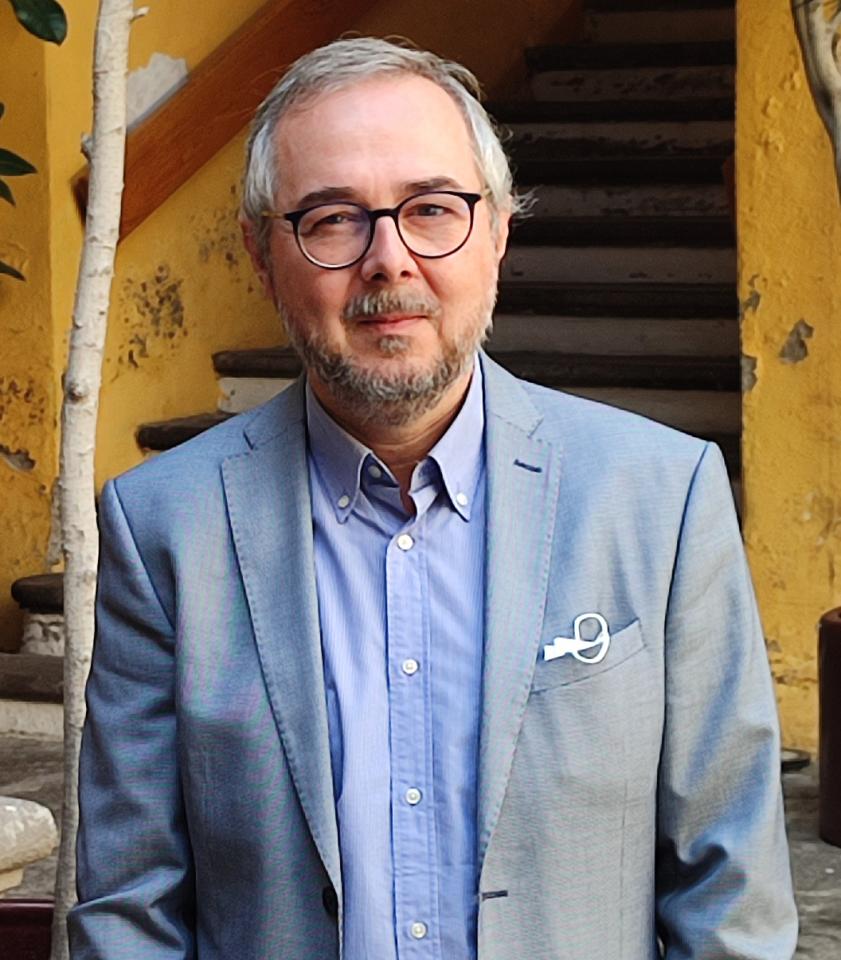
Pedro Rueda Ramírez is a Library and Information Science Professor at the University of Barcelona. His research focuses on the cultural exchanges between Spain and Spanish-speaking Latin America in the early modern period through the international trade in books, among other things.
He wants to study what role the book printer Tomás López de Haro from Seville played in the distribution of books from Antwerp in Mexico and the rest of Spanish-speaking America. The reputation of Antwerp as a printing centre was so great that numerous Latin-American printers boasted about their connection with Antwerp on their title pages. In 1710, when he established himself as a book printer in Mexico, Diego Fernández de León even called his company ‘the new Officina Plantiniana.’
2024-2025
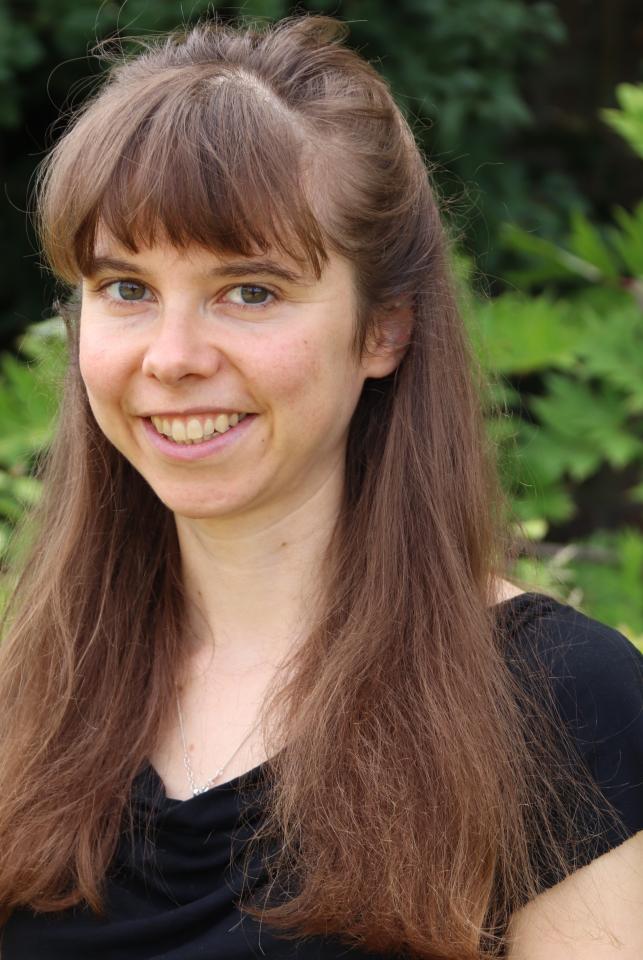
Georgina Wilson is a Stipendiary Lecturer in English at Brasenose College, Oxford, and the Postdoctoral Research Associate on 'Print Matters' at the University of York. An early modernist by training, she is interested in the relationship between literary criticism and book-making from the late medieval period to the present day. Her monograph Paper and the Making of Early Modern Literature is forthcoming in summer 2025 with the Material Texts series at Penn, and she has edited, with Zachary Lesser, a special issue of Journal of Early Modern Studies on 'The Politics of Book History: Then and Now'. Her work spans archival, creative, and theoretical approaches, and she is now editing with Orietta da Rold and Vona Groarke a critical-creative issue of Critical Quarterly entitled 'Paper and Poetry: Interventions in Theory and Practice' which brings together literary scholars with curators, paper artists, and creative writers.
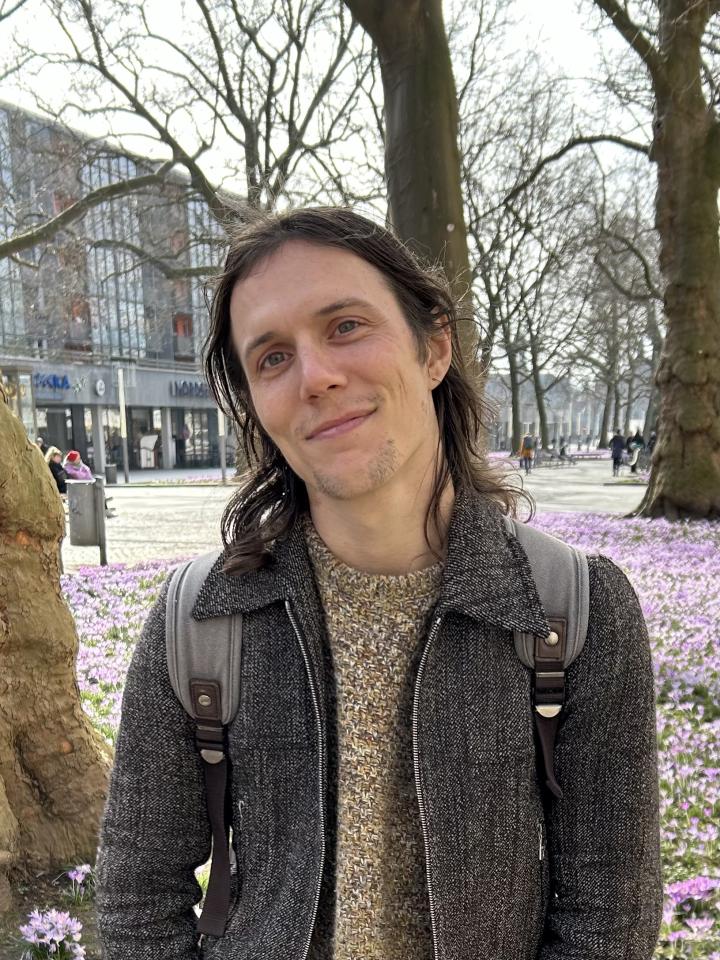
Mitchel Gundrum (he/they) is a rare book conservator and researcher of historical bookbinding structures, 18th-century block-printed and paste-decorated book papers, and the history of pigments. He currently works as a Book Conservator at The Huntington Library in Pasadena (California, USA). While in Antwerp, Mitchel will trace the development of historical bookbinding techniques through the earliest known European manual on the topic, an incredibly rare dual-language manuscript in a stunning dos-a-dos binding written and bound for the monks of St. Bernard’s Abbey by Anshelmus Faust in 1612. Through analysis of trade archives, ledgers, and contemporary bindings from the Abbey library held by the Museum Plantin-Moretus and the Hendrik Conscience Heritage Library, he will investigate the history of the Abbey, the as-yet unsettled life of Faust, and the influence of his instructions on 16th- and 17th-century European book production.
2023-2024
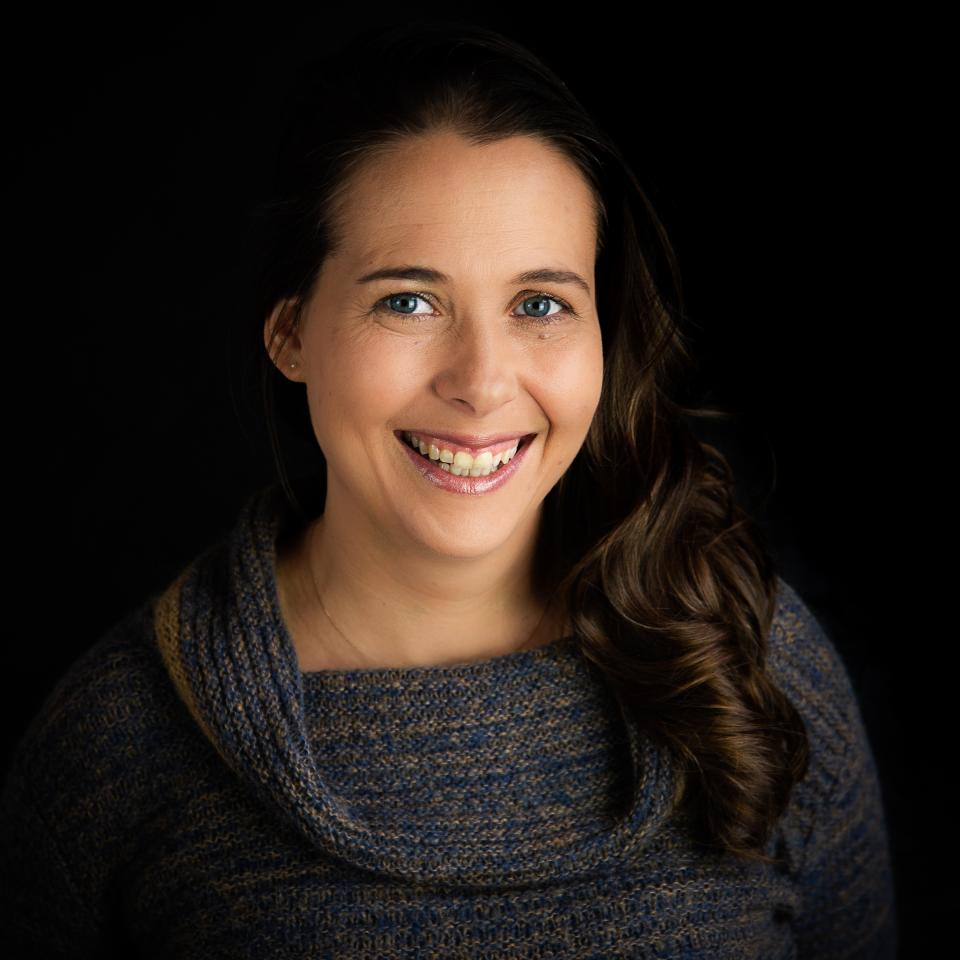
Louisa Hunter-Bradley is een musicologe uit Londen die onderzoek doet naar hoe muziek in de vroegmoderne tijd over Europa aan de man werd gebracht via boeken. Ze maakt deel uit van het onderzoeksproject Dissemination, ownership and reading of music in early modern Europe (DORMEME) van King’s College in Londen. Voor dat project gaan wetenschappers op zoek naar sporen van gebruik in gedrukte en handgeschreven partituren. Louisa zal tijdens haar verblijf in Antwerpen de gedrukte muziekboeken van Museum Plantin-Moretus en de Erfgoedbibliotheek analyseren. Daarnaast zal ze zich in het het Plantijnse archief verdiepen en de registers inkijken die betrekking hebben op de verkoop van muziekboeken door Christoffel Plantijn en zijn opvolger Jan I Moretus tijdens de jaarlijkse boekenbeurs in Frankfurt. Louisa doet dus beroep op de boekgeschiedenis om muziekhistorische vragen te beantwoorden om nieuwe inzichten te verwerven voor beide onderzoeksdomeinen.
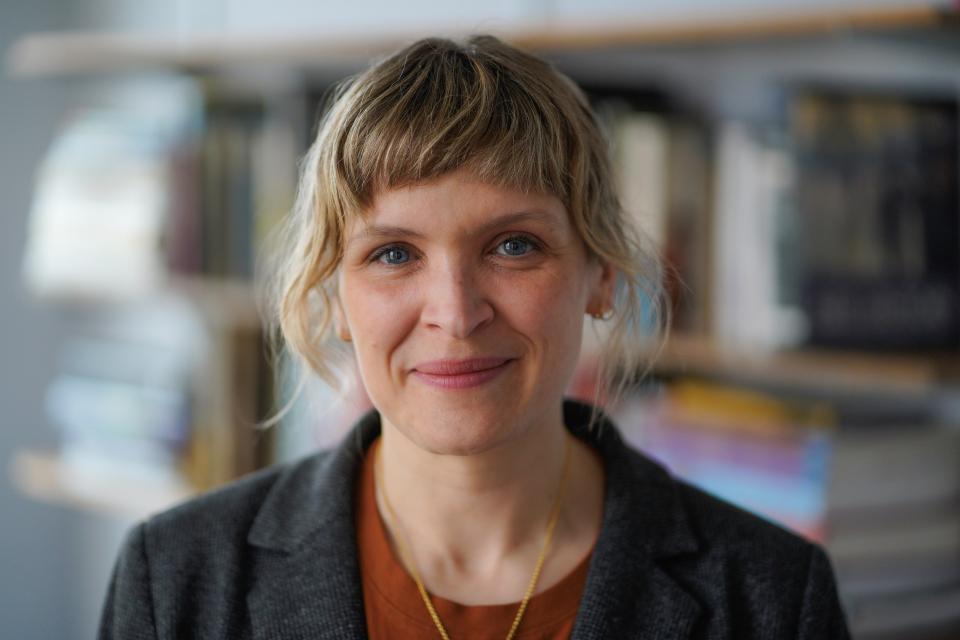
Jennifer Awes Freeman bestudeert als professor in de theologie en de letteren aan de United Theological Seminary of the Twin Cities in Minneapolis (Minnesota, VS) de rol van kunst, boekillustraties en verluchte handschriften in de middeleeuwse religieuze samenleving. Als deel van haar onderzoeksproject naar de vijfde-eeuwse Carmen Paschale van Sedulius zal ze in Antwerpen een Karolingisch handschrift van Museum Plantin-Moretus met een negende-eeuwse versie van deze tekst grondig onder de loep nemen. Christoffel Plantijn kocht tijdens zijn carrière verschillende manuscripten, zoals de Carmen Paschale, aan met als doel de teksten ervan uit te brengen in zijn drukkersbedrijf. Het document is veelvuldig geannoteerd door Plantijns leverancier van handschriften, Theodoor Poelman. Via een vergelijkende casestudie tussen dit handschrift en andere handgeschreven, maar ook vroegmoderne gedrukte boeken uit de bibliotheekcollecties van Museum Plantin-Moretus en de Erfgoedbibliotheek beoogt Awes Freeman de continuïteit in het gebruik en de invloed van middeleeuwse handschriften op de vroegmoderne boekdrukkunst in kaart te brengen.
2022-2023
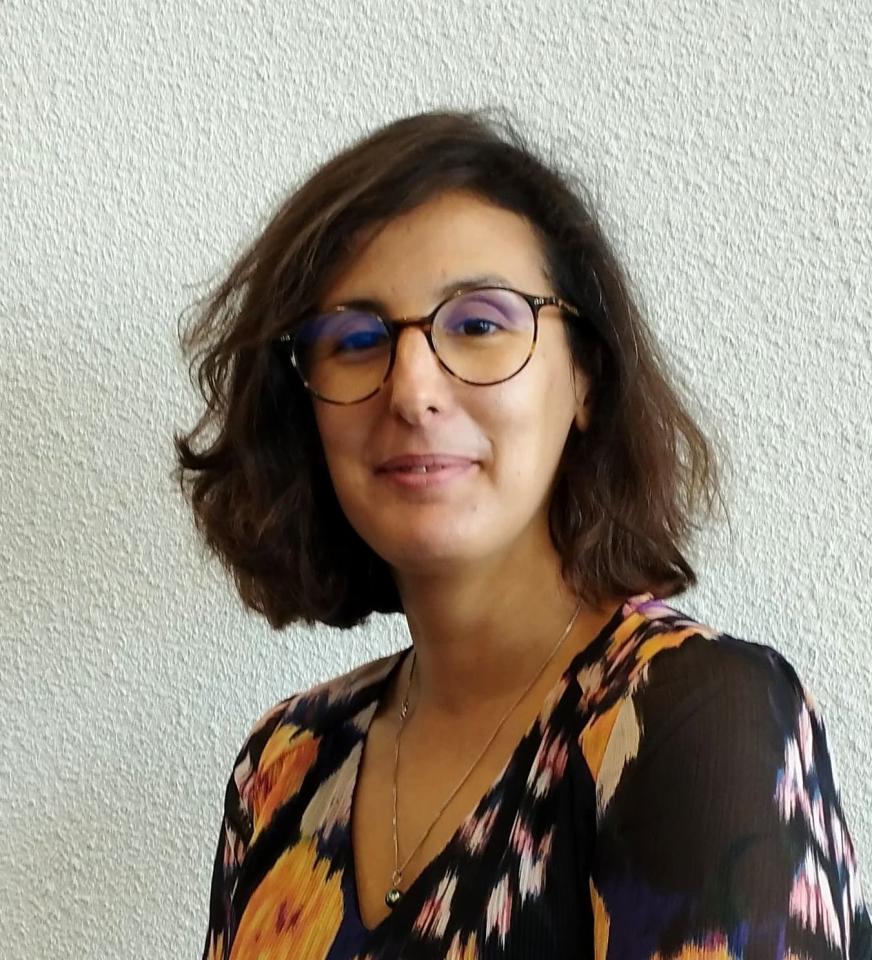
Audrey Morvan (Université de Bretagne Occidentale) doet onderzoek naar de papierhandel tussen de Nederlanden en Bretagne in de late middeleeuwen en de vroegmoderne tijd. Tijdens haar onderzoek naar de Bretoense papierproductie, op basis van de watermerken in het papier van gedrukte boeken, merkte ze op dat veel van dat papier uit de Nederlanden afkomstig was. Over de export van papier uit onze contreien is in de literatuur weinig informatie te vinden. Daarnaast wil Audrey onderzoeken of er ook papier uit Bretagne in de Nederlanden gebruikt is. Haar onderzoek focust dus op een materieel aspect van boeken dat bij digitalisering niet wordt meegenomen: de watermerken van het papier, die pas zichtbaar worden door gebruik te maken van een lichttafel.
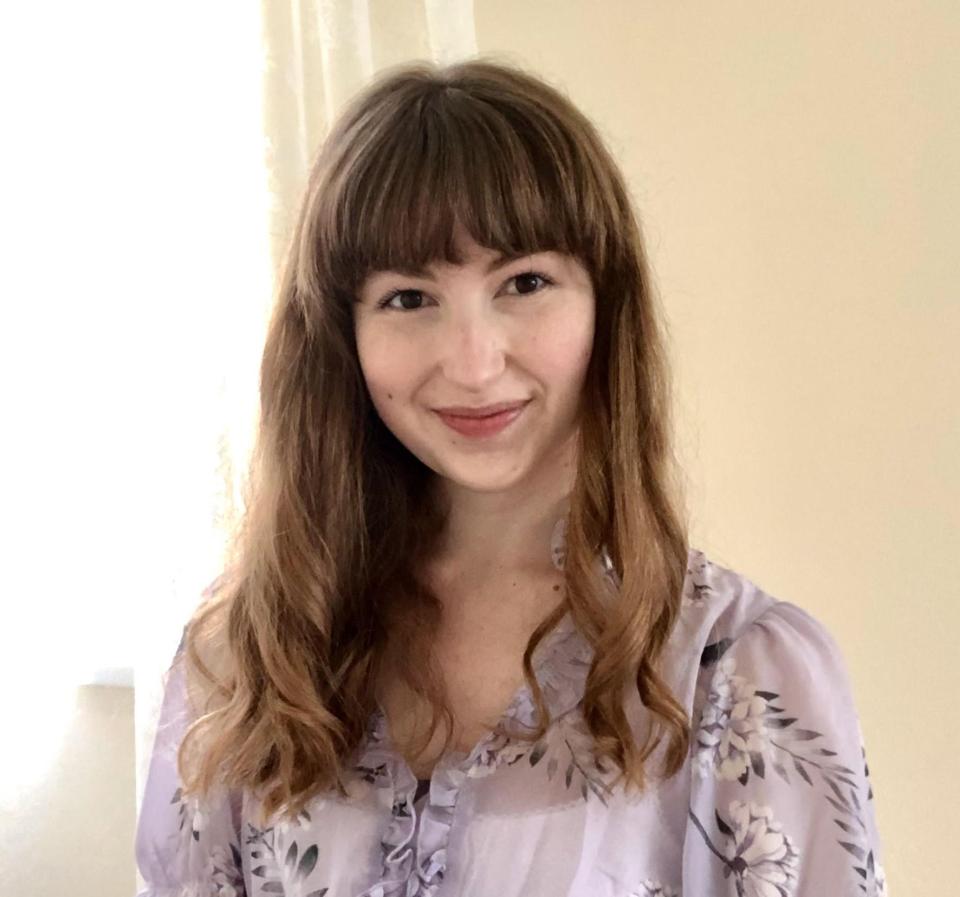
Het onderzoek van Kathryn Ffion Davies (Courtauld Institute of Art) gaat over monsters – meer bepaald de manier waarop monsters, duivels en monsterachtige creaturen voorkwamen in de Antwerpse boek- en prentcultuur tussen 1566 en 1600, de periode van de Beeldenstorm, de Calvinistische republiek, de Val van Antwerpen en het herstel van het katholieke, Spaanse gezag. Daarbij zal Kathryn kijken naar de wisselwerking tussen afbeeldingen van monsters en horror in wetenschappelijke werken (zeemonsters in atlassen, skeletten in anatomische werken, …) en hun tegenhangers in politieke en theologische pamfletten. Het laat-zestiende-eeuwse Antwerpen is daarbij een uitstekende casus, als brandpunt van de godsdienst- en burgeroorlog enerzijds maar ook als innovatief centrum van boek- en prentkunst.
2021-2022
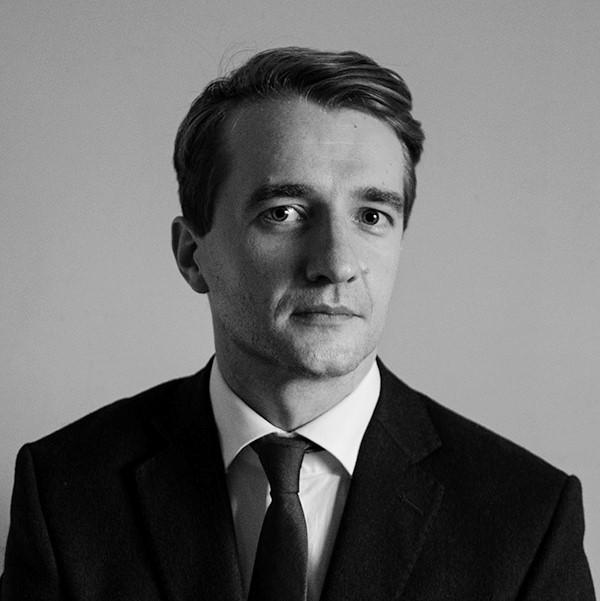
Timothy Twining (Cambridge, VK) onderzoekt hoe de Plantijnse uitgeverij functioneerde in de context van de vroege contrareformatie (c. 1590-1640). Dit past in de herwaardering van de productie van de Officina Plantiniana na de dood van haar stichter. Waar eerdere onderzoekers meenden dat het bedrijf zich heroriënteerde van humanistische werken naar liturgica, blijkt het fonds veel complexer te zijn. Net als veel andere spelers probeerden de Moretussen te navigeren in het brede speelveld tussen de officiële theorie, voortvloeiend uit de besluiten van het Concilie van Trente, en de dagelijkse praktijk van katholieke gelovigen én clerici.
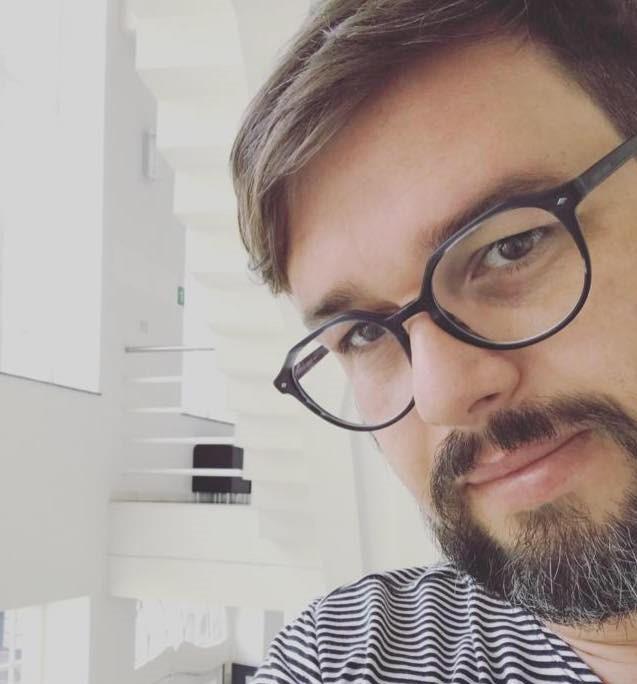
Het onderzoek van René Lommez Gomes (Universiteit van Minas Gerais, Brazilië) draait rond een boek van João Stooter, een Vlaamse diamantslijper die in Porto (Portugal) werkte. Zijn Arte de brilhantes vernises (1729) bevat recepten voor verven en vernissen en is het eerste handboek over dat onderwerp in het Portugees. De Erfgoedbibliotheek Hendrik Conscience bezit een exemplaar van dat boek, met meer dan 200 handgeschreven toevoegingen door de auteur. Onderzoek naar het handboek kan ons meer leren over vroegmoderne technieken van (toegepaste) kunst, maar ook over transatlantische kennisnetwerken.
2019-2020
In 2020 werd de internationale reisbeurs niet uitgereikt omwille van de pandemie. De wetenschappers die de beurs in 2019 kregen toegekend, Elise Watson en Marlena Cravens, hebben hun onderzoeksverblijf later uitgevoerd.

Marlena Cravens wrote a research proposal that is based in translation studies. Cravens investigates how from 1492 onwards, Spanish texts and translations were used to transform or even erase the languages and cultures of the original population of the Americas. Her sources are books on grammar, ethnography and geography, and biographies of conquistadores. A large number of these are available in the collections of the Plantin-Moretus Museum and the Hendrik Conscience Heritage Library. Cravens also takes note of traces of earlier readers, which means the use of physical copies as opposed to digital surrogates is essential for her research.
Elise Watson will investigate how Antwerp printers of the seventeenth and eighteenth century applied their presses to the benefit of catholic people in the Dutch Republic, which was officially protestant. Catholics were a discriminated minority. Earlier publications on this topic focus on specific aspects or details of this trade, but a general and thorough overview is still lacking. Many previous researchers stuck to the national frontiers, neglecting transregional dynamics such as the export of catholic books from Antwerp to the North.
2018-2019
In her research into the works of the English poet Edmund Spenser (c.1552-1599), Dr. Claire Eager (Colorado College, Colorado) noticed similarities with the work of the Southern Low Countries poet Jan van der Noot (c.1539-c.1595). Van der Noot was deeply involved with the way his books were produced, illustrated and distributed. He collaborated closely with illustrators such as Marcus Gheeraerdts and Lucas d’Heere, creating true artists’ books avant-la-lettre. Van de Noot probably hired the teenage Spenser to translate his Theatre oft toon-neel into English. Through Spenser, the works and the collaborative method of Jan van der Noot influenced the way poetry books were designed in seventeenth-century England.
Ashley Gonik (Harvard University, Massachusetts) asks the question who is responsible for tables in early modern books: authors, compositors or printers? What techniques were used to illustrate scientific publications? To answer these questions, she will be looking very closely at early printed books in the collections of Antwerp libraries, measuring tables and type to determine what technique was used. Research in the archives of the Officina Plantiniana will provide additional information regarding the wages paid for typesetting these complex books.