About the Nottebohm Room

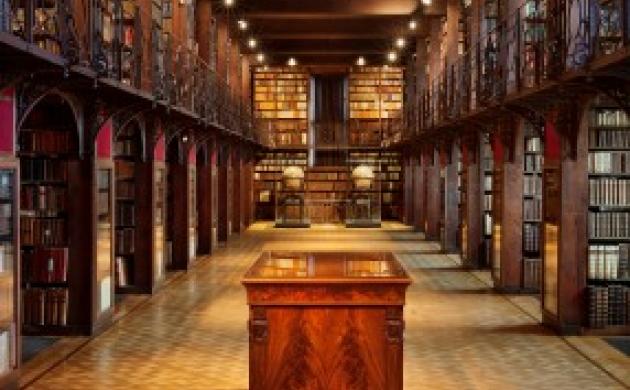
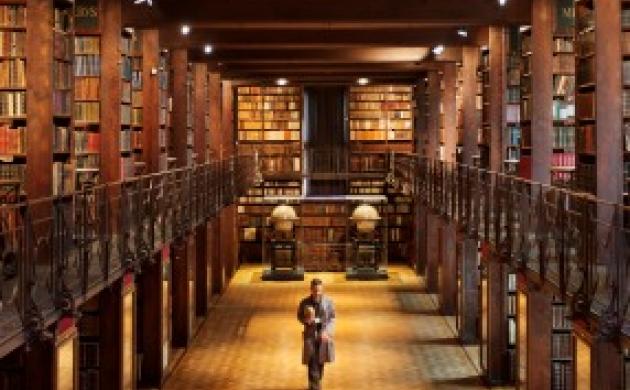
The Nottebohm Room is one of the best-kept secrets in Antwerp. It is located in the oldest part of the library and was originally built in 1936 as a ceremonial room. Besides being a book repository and exhibition gallery, it is also used to preserve special donations and collection items. It owes its name to an Antwerp patron of the arts, called Oscar Nottebohm.

The Nottebohm Room

The Nottebohm Room is a hidden gem. The first 150,000 items in the library’s catalogue are preserved here in a breath-taking, historical setting. The doors only swing open for exhibitions, lectures, concerts or guided tours. And when they do, it’s like a breath of magic.


The Nottebohm Room

The Nottebohm Room is a hidden gem. The first 150,000 items in the library’s catalogue are preserved here in a breath-taking, historical setting. The doors only swing open for exhibitions, lectures, concerts or guided tours. And when they do, it’s like a breath of magic.
Imagination bound

Exposition in the Nottebohm room

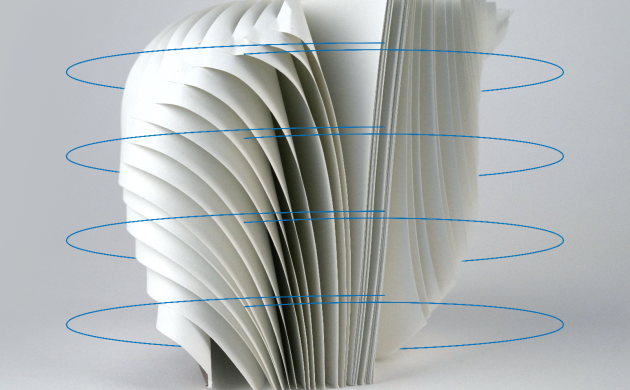
In the light of the 100-year anniversary of the book art degree programme at the Academy of Berchem, we will showcase the expo 'Bound by Imagination' during our summer opening. An exhibition of 100 books, bound by former and current students and teachers of the academy. 

The Globes of Blaeu

The celestial and terrestrial globes of Willem Jansz. Blaeu (1571-1638) were in the 17th century praised as progressive creations in the field of cartographic techniques. The globes now at the Heritage Library were in 1836 gifted by Baron de Pret de Terveken to the City of Antwerp.

Curators of old prints and manuscripts

Steven Van Impe and Marie-Charlotte Le Bailly

Old prints are books, newspapers and magazines made before the art of book printing was industrialised, which was around the 1800s. That is why every old print is unique, just like manuscripts. Each copy is separately designed, printed and bound and that is what makes them so special. Our two curators would love to help you in your research. 

Curator of modern prints

Marlou de Bont

From the 19th century onwards, the book becomes a mass-produced item, printed with the help of the industrial printing press on machine-made paper. This kind of mechanisation happens little by little. In our collection policy, we date the transition to the year 1830. From then on, we speak of ‘modern prints’. Curator Marlou de Bont manages this extensive part of our collection. Do you have research questions about the modern prints in our collection? Feel free to contact her. 

Cataloguing system

Mieke Lietaer

How do you find the right books and materials in our vast collection of nearly 800.000 titles? Every edition is carefully described in our extensive catalogue. This way, users can find what they are looking for in different manners. However, that can only happen when the descriptions are accurate and complete. Mieke Lietaer is responsible for the cataloguing system.  

Collection management and repository work

Alexandra Noël

The Heritage Library collection is unique. More than 1.5 million volumes, of which 40.000 rare, old prints from before 1830. It is a whole task to preserve such a treasure with the utmost care for the generations to come. Alexandra Noël coordinates the preservation and management of our collection.