
The Nottebohm fellowship is established with the support of the Nottebohm Family Foundation and the Book and Literature Endowment Fund. This initiative opens up Antwerp’s unique collections to scientists from abroad.
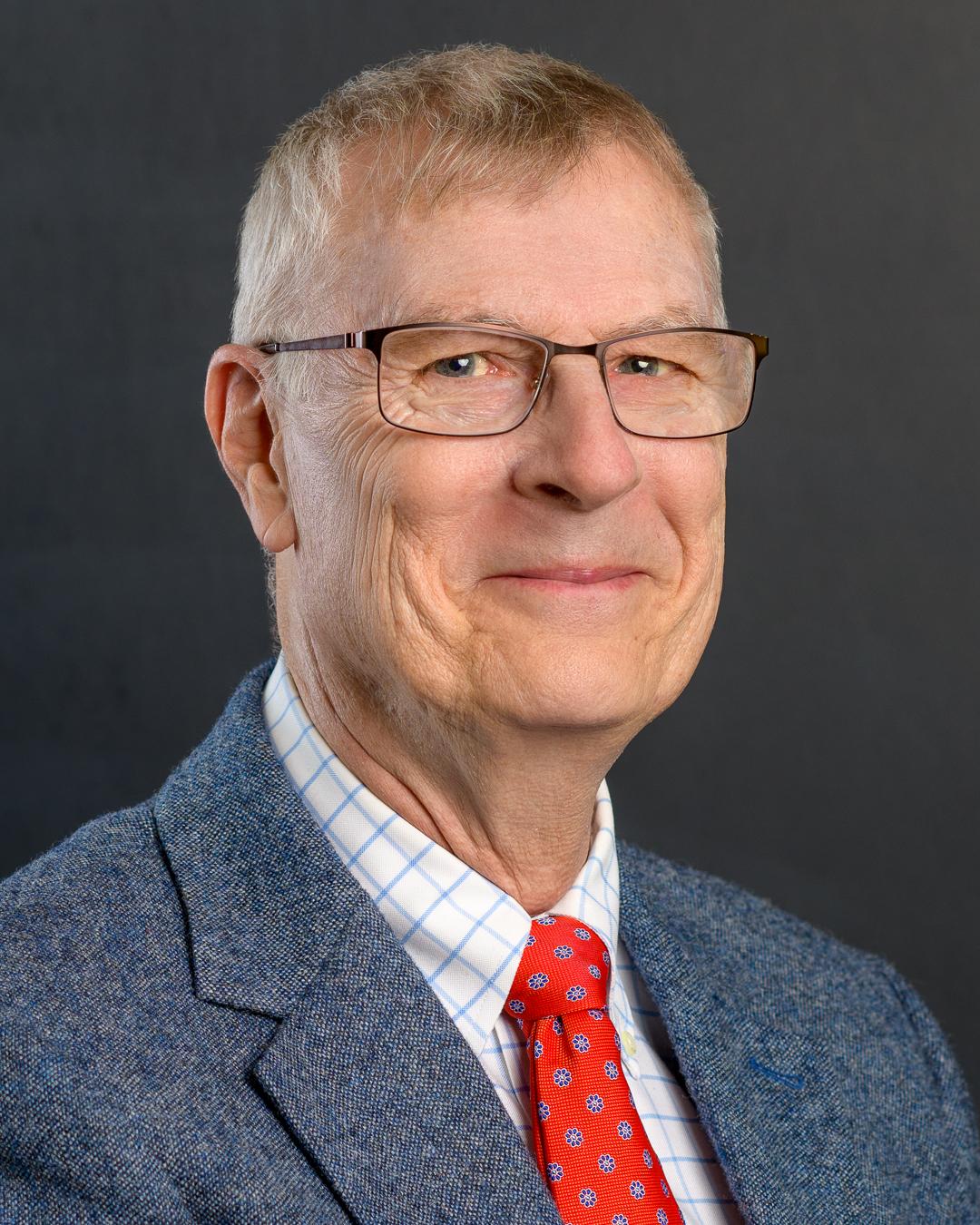 ©Maria O'Leary
Michael Noone is a musicologist and conductor. He discovered a connection between Antwerp and a successful music printing company in Salamanca. The Antwerp book printer Artus Tavernier married Susana Muñoz and started a printing company under the Spanish version of his name: Artus Taberniel. After his death in 1609, his widow Susana kept the printing company running. She published large-format choral works that were used in Spanish convents and cathedrals, which nowadays have become extremely rare.
Michael wants to find out what kind of relationships the printing company maintained with Antwerp.
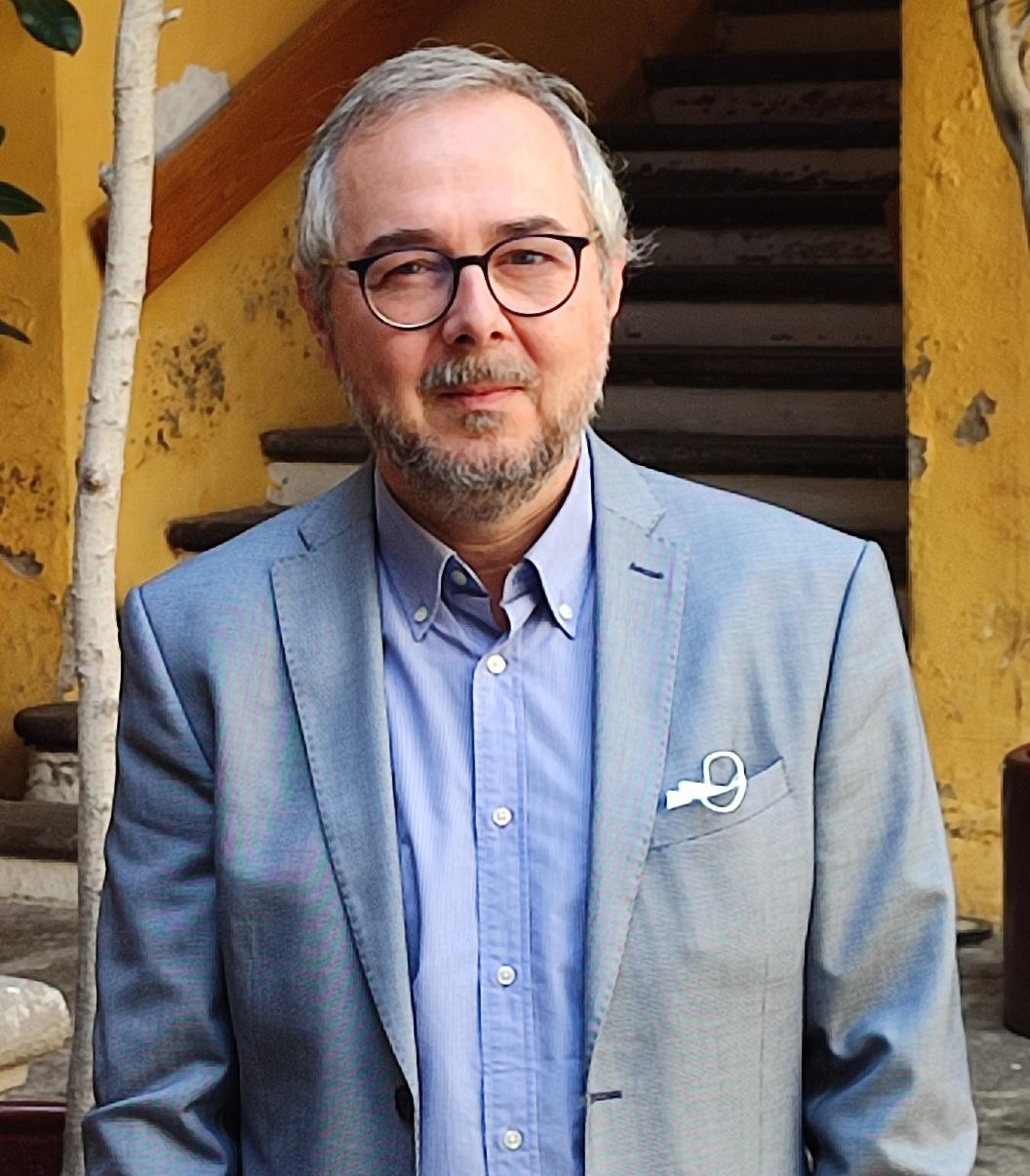
Pedro Rueda Ramírez is a Library and Information Science Professor at the University of Barcelona. His research focuses on the cultural exchanges between Spain and Spanish-speaking Latin America in the early modern period through the international trade in books, among other things.
He wants to study what role the book printer Tomás López de Haro from Seville played in the distribution of books from Antwerp in Mexico and the rest of Spanish-speaking America. The reputation of Antwerp as a printing centre was so great that numerous Latin-American printers boasted about their connection with Antwerp on their title pages. In 1710, when he established himself as a book printer in Mexico, Diego Fernández de León even called his company ‘the new Officina Plantiniana.’